Google Ads Tips for Moving Companies
Running Google Ads for a moving company can either print money or burn it fast. There is rarely an in between.
The difference comes down to strategy, setup, and ongoing optimization.
A strong website paired with SEO and Google Ads can generate hundreds of moving leads per month at a profitable return. But Google Ads is also one of the easiest ways for movers to waste thousands of dollars if the account is structured incorrectly.
On average, businesses earn about $2 for every $1 spent on Google Ads. Top-performing moving companies often see returns of 300 percent or more. Poorly managed accounts, on the other hand, lose money quickly.
Below are 13 Google Ads tips specifically for moving companies that want higher quality leads, lower cost per booking, and better overall ROI.
1. Start With a Clean Google Ads Account Structure
Most moving companies only need one Google Ads account.
If you have old accounts, third-party platforms, or abandoned campaigns still sending traffic, shut them down. Fragmented accounts make optimization nearly impossible and often inflate costs.
A clean account makes tracking, testing, and scaling far easier.
2. Build Campaigns Around Service Areas, Not Everything at Once
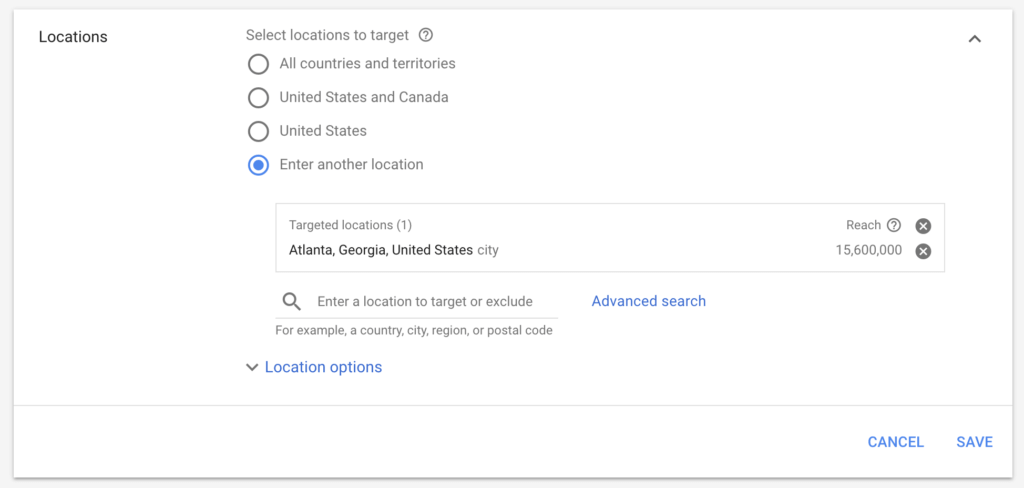
Campaigns should be organized by location, not by every possible service.
If you serve 10 cities, you should strongly consider 10 separate campaigns. This allows you to:
- Control budgets by city
- Adjust bids based on performance
- Customize ads with city-specific language
Trying to run one campaign for all locations is one of the most common mistakes moving companies make.
3. Use Ad Groups to Separate Moving Services
Inside each campaign, create ad groups based on specific services, such as:
- Residential moving
- Commercial moving
- Long-distance moves
- Apartment movers
This structure keeps keywords tightly themed, improves Quality Score, and lowers cost per click.
Broad ad groups lead to vague ads and wasted spend.
4. Be Ruthless With Local Targeting
Moving companies are local by nature, even when offering long-distance services.
Target only the cities and zip codes where you actually want business. If a city consistently generates low-quality leads or no bookings, pause it.
More targeting doesn’t mean more profit. Precision does.
5. Choose Keyword Match Types Carefully
Keyword match types directly control who sees your ads.
Many movers fail with Google Ads because they rely too heavily on broad match keywords. This often triggers ads for irrelevant searches like:
- DIY moving
- Free moving help
- Truck rentals
- Job searches
Use phrase match and exact match for higher intent searches, and monitor search terms regularly.
6. Focus on Buyer Intent Keywords
Not all moving keywords are equal.
High intent examples include:
- “local movers near me”
- “commercial moving company”
- “licensed residential movers”
Lower intent keywords may generate leads but not bookings. Track which keywords actually turn into paying customers, not just form fills.
7. Constantly Test and Improve Your Ads
Ads are not a one-time setup.
Test different messaging angles such as:
- Years in business
- Licensed and insured
- Local family-owned
- Same-day estimates
- Guaranteed pricing
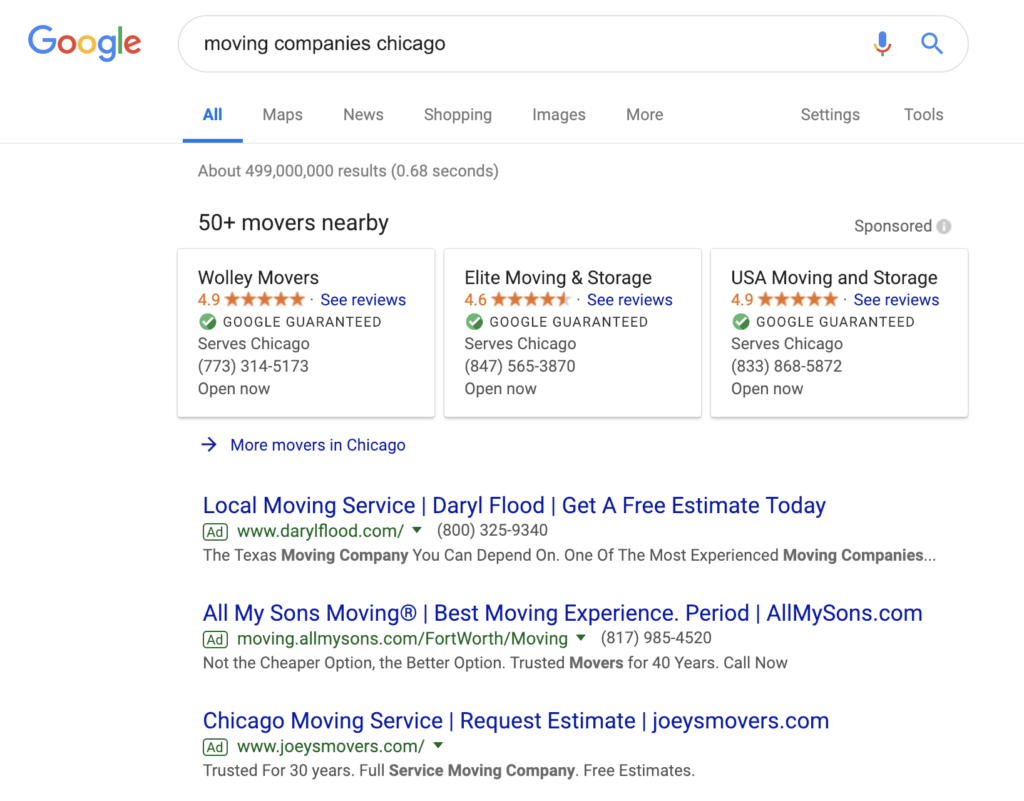
Run multiple ad variations and pause underperformers. Small improvements in click-through rate can significantly lower your cost per lead.
8. Adjust Budgets for Moving Seasonality
Moving demand fluctuates heavily throughout the year.
Peak season usually runs from late spring through summer. Slow periods often include major holidays and winter months.
Reduce spend during low-demand periods and scale aggressively when demand is high. Keeping a flat budget year-round leaves money on the table.
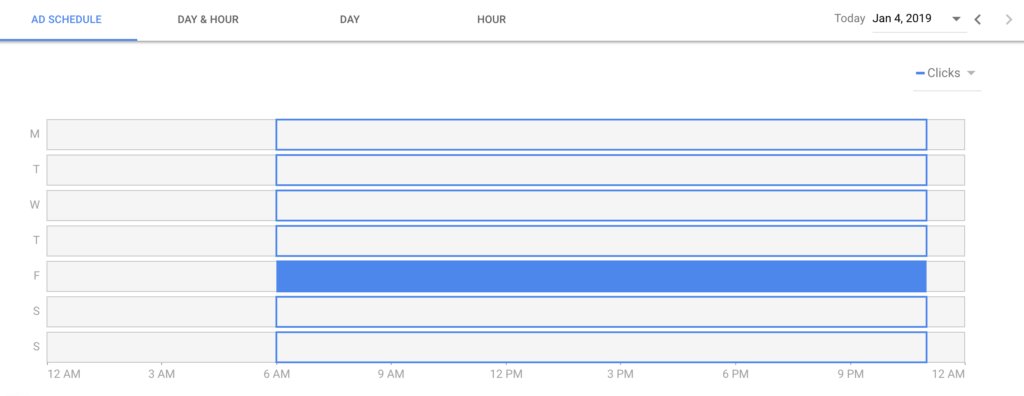
9. Use Day Parting to Control When Ads Run
Day-parting allows you to show ads only during specific hours or days.
If leads rarely convert after business hours, stop running ads late at night. If weekdays outperform weekends, adjust accordingly.
This single adjustment can dramatically improve lead quality.
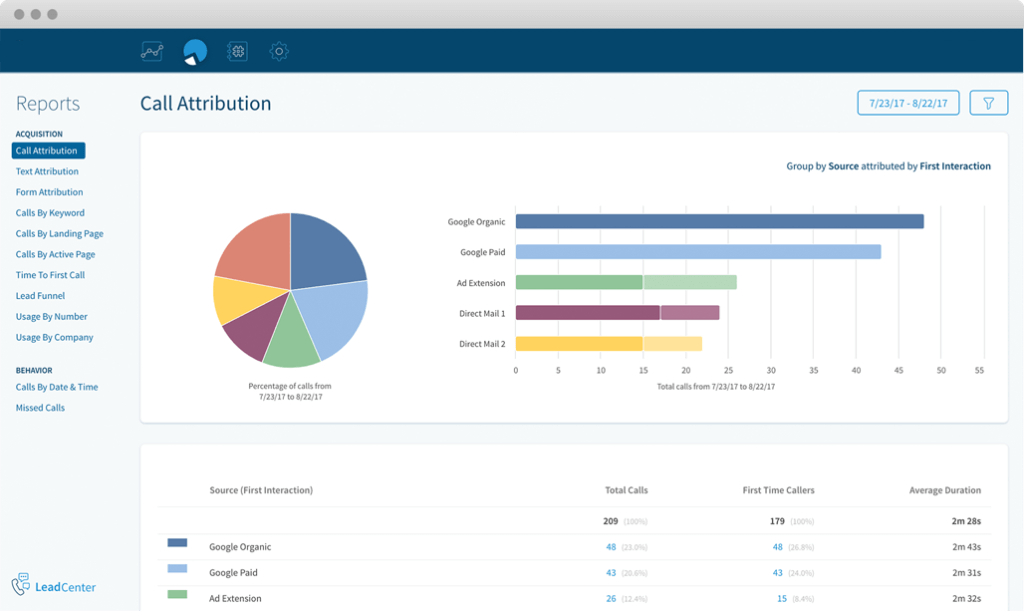
10. Track the Metrics That Actually Matter
Clicks and impressions don’t pay the bills.
Track metrics such as:
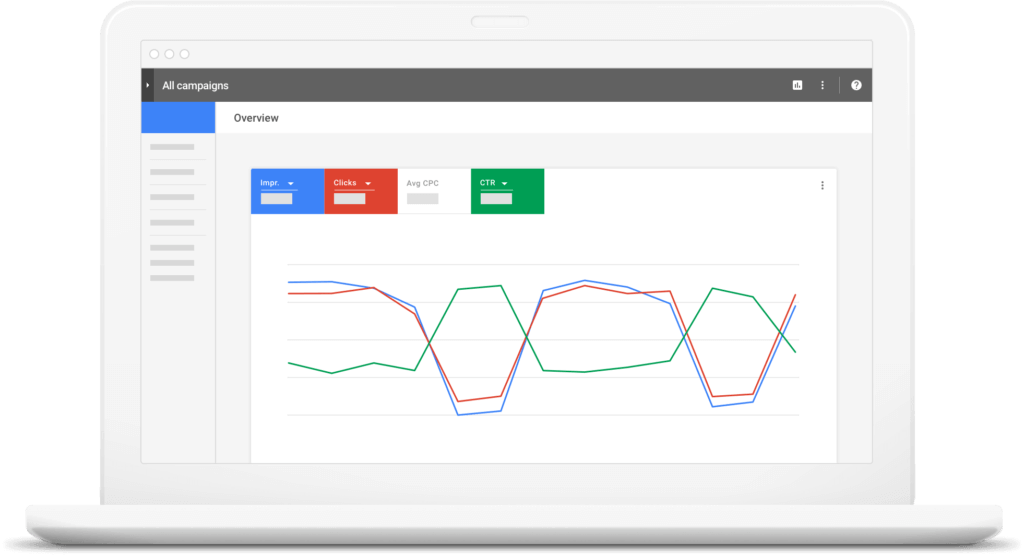
- Cost per booked move
- Cost per phone call
- Revenue per lead
- Close rate by keyword
If you don’t know what success looks like, Google Ads will not magically figure it out for you.
11. Set Up Proper Conversion Tracking
Conversion tracking is non-negotiable.
Track:
- Quote form submissions
- Phone calls
- Click to call actions
Without accurate conversion data, you are guessing. Google Ads optimization requires real feedback to improve performance over time.
12. Use Smart Bidding Only When Data Supports It
Automated bidding strategies like Target CPA can work well, but only if you have enough conversion data.
For newer or smaller moving companies, manual bidding often performs better early on. Smart bidding should be layered in once performance trends are clear.
Automation doesn’t fix poor strategy.
13. Test Everything Consistently
The best-performing Google Ads accounts never stop testing.
Test:
- Ads
- Keywords
- Landing pages
- Bidding strategies
- Target locations
Consistency is why professional agencies often outperform in-house management. Not because they know secrets, but because they test relentlessly.
How Moving Companies Actually Win With Google Ads
Google Ads can be one of the most powerful growth tools for moving companies, but only when managed correctly. If your Google Ads account feels unpredictable or expensive, it may be worth taking a closer look at how it is structured and tracked. Many moving companies are surprised how much performance improves with a few targeted changes.
Success comes from:
- Tight account structure
- Intent-driven keywords
- Aggressive optimization
- Clear tracking and goals
Have a plan before you spend a dollar. Stick to the data. Cut what doesn’t work. That is how moving companies win with Google Ads.
Get a professional Google Ads audit and find out exactly where money is being lost, what can be optimized, and how to increase booked moves without increasing your ad budget.