There’s more content online than ever before. Businesses are posting on Instagram and Facebook, publishing blogs, sending emails, making videos, running ads, and trying to stay visible on Google. With so many companies competing for the same attention, simply showing up isn’t enough anymore.
That creates a bigger question for businesses: What actually makes someone remember you?
Someone might see your Instagram post today, find your company on Google n5ext month, check your reviews, visit your website, and finally contact you when they’re ready. Each of those interactions matters.
That’s why SEO, social media, content, paid advertising, and your website shouldn’t feel like separate marketing projects. They should help people find your business, understand what you do, and remember you when it’s time to make a decision.
Getting Seen Is Only the Beginning
Visibility matters. If customers can’t find your business, you’re probably not going to be their first call. But impressions, clicks, views, and rankings only tell part of the story.
Think about how quickly you scroll through your own social feeds. You probably pass dozens of businesses without remembering most of them. Search isn’t much different. Someone looking for a local service might visit three or four websites before deciding who deserves a call.
The businesses that stick tend to give people something useful. They answer questions clearly, show actual work, explain what makes their service different, or communicate in a way that feels genuine.
For a local business, that might mean sharing photos from recent jobs, introducing employees, answering common customer questions, or talking about problems people in the area regularly deal with.
You don’t need to constantly come up with groundbreaking ideas. You need to give people enough reasons to recognize your company the next time they see it.
Posting More Doesn’t Automatically Build a Better Social Presence
Businesses hear all the time that they need to post consistently. That’s true, but consistency can quickly turn into posting just for the sake of filling the calendar.
A stock photo goes up on Tuesday. A generic industry tip follows on Thursday. Friday gets a promotional graphic telling everyone to “contact us today.” Then the process starts again next week.
The account is active, but activity alone doesn’t mean much.
Good social media marketing should help people understand the company behind the account. A contractor could share before-and-after photos or explain a common repair. A moving company could show how the crew handles a difficult move or share practical packing advice. A professional services company might answer questions customers are hesitant to ask during the first call.
Not every post needs to sell something. Some of the best posts simply make the company more familiar.
That familiarity becomes valuable later when someone actually needs the service.
Social Media Can Build Trust Before the First Call
People often start learning about businesses long before they become customers.
Someone might follow a local company because a friend shared one of its posts. They may see a few projects over the next several months without needing the service themselves. Then something happens and suddenly they do.
At that point, the company isn’t completely unfamiliar.
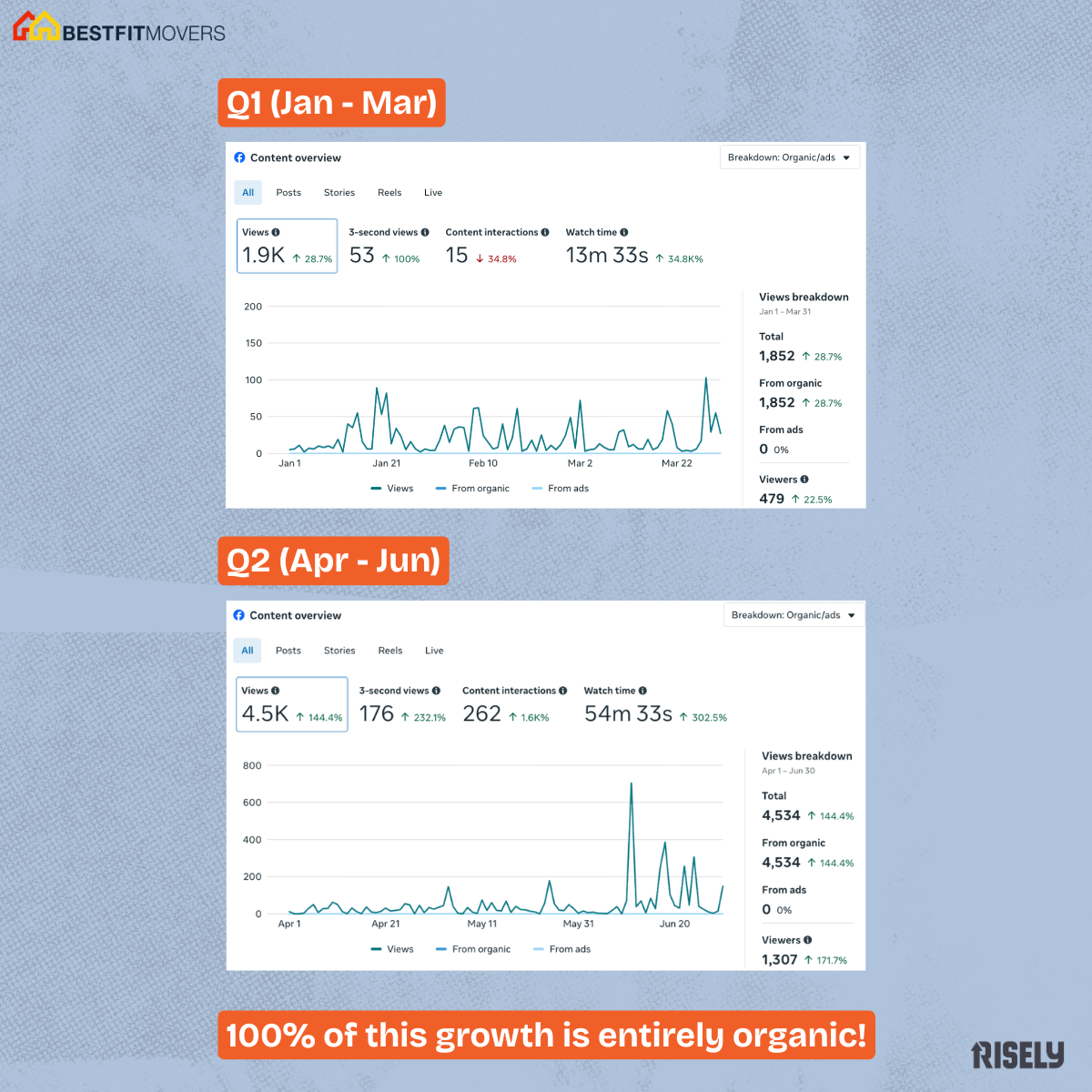
Social media gives businesses an opportunity to show things that don’t always fit naturally onto a service page. You can show your team, recent work, customer experiences, company culture, behind-the-scenes moments, and how you handle the work itself.
This matters particularly for service businesses. Customers may be inviting your employees into their homes, handing over expensive property, or trusting you with a problem they don’t fully understand.
Social Media Is Becoming Part of Search
Social media isn’t only about reaching people while they scroll. It’s also becoming part of the larger online footprint that search engines and AI tools can use to understand businesses and topics.
A helpful LinkedIn post, YouTube video, customer discussion, or social post can reinforce what your company does and what it knows. That doesn’t mean posting more will automatically make ChatGPT recommend your business. It means social content can support a broader Answer Engine Optimization (AEO) strategy by creating more useful information and signals around your brand across the web.
Search Is Bigger Than Google Now
SEO still matters, but Google isn’t the only place people look for answers anymore. Customers are also researching products, services, and businesses through ChatGPT, Gemini, Perplexity, AI Overviews, and other AI-powered search experiences.
That’s where AEO starts to overlap with SEO, social media, reviews, video, and content marketing.
Your website gives search engines and AI systems detailed information about your services. Social content can reinforce your expertise and activity. Reviews and outside mentions add another layer of context and credibility.
The goal isn’t simply to rank for a keyword anymore. It’s to build enough useful, consistent information across the web that your business can be found and understood wherever customers are searching.
Your Website Has to Back Up Your Marketing
Imagine someone has seen your company on social media several times. When they eventually need your service, they search Google, recognize your name, and click your website.
Then they find outdated information, confusing navigation, generic copy, or no clear way to contact you.
All the work that got them there suddenly matters a lot less.
Your website is where many of your marketing efforts eventually meet. It should quickly explain what you do, who you serve, where you work, why customers choose you, and how someone can take the next step.
It also needs to support the claims you make elsewhere. If your social media talks about great customer service, show reviews. If your ads promote a particular service, make sure the landing page explains it properly. If you say your team has years of experience, give people some background.
Your website doesn’t have to be complicated. It does have to make it easy for people to feel comfortable choosing you.
One Good Idea Can Support Several Marketing Channels
Content becomes much easier to manage when you stop treating every channel as a separate assignment.
Suppose your SEO research shows that customers regularly search for a particular question related to your service. You could create a detailed blog answering that question. But the idea doesn’t have to stop there.
Parts of the article could become several social posts. One section could become a short video. A useful comparison might become a graphic. The article could be shared through email or linked from a service page.
Now one topic is helping several parts of your marketing.
The same thing works in reverse. If customers keep asking a question in Facebook comments, phone calls, emails, or sales conversations, that could be a sign that you need to cover it on your website.
Some of your best marketing ideas are probably already coming from your customers. The trick is paying attention to them and using them in more than one place.
Paid Advertising Should Support the Bigger Picture
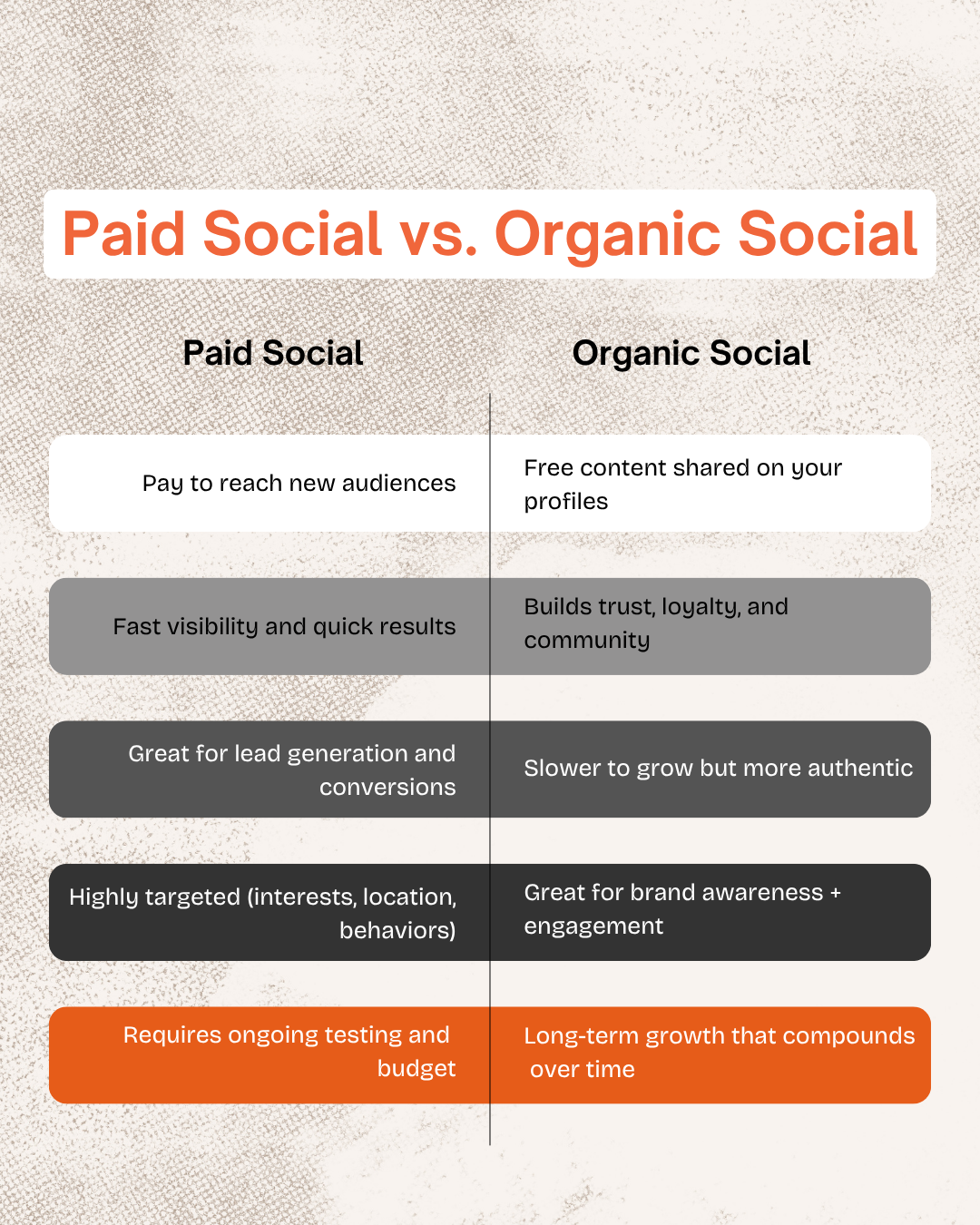
Paid advertising can put your business in front of people quickly. That can be especially useful when you want to promote a particular service, enter a new market, or reach people who might not find you through organic search yet.
But ads still depend on everything around them.
If someone clicks an ad and reaches a poor landing page, increasing the ad budget won’t fix the page. If a potential customer sees your ad and then researches the company, your website, reviews, search presence, and social accounts can all influence what happens next.
That’s why paid campaigns tend to work better when they’re part of a broader plan.
The advertisement can make the introduction. Your other marketing gives the customer reasons to keep considering you.
You Don’t Need to Be Everywhere
There’s always another platform businesses are told they should be using. Trying to keep up with all of them can spread your time and budget too thin.
You don’t need to be everywhere. You need to be where your customers are.
A local home service company may get more value from Google, Facebook, Instagram, reviews, and its website. A B2B company might focus more heavily on Google, LinkedIn, email, and industry content. Another company might benefit from putting more effort into video.
There isn’t one channel mix that works for every business.
Instead of asking which platforms are popular, ask where your customers actually look for information and what they check before choosing a company. Those are the places that deserve your attention.
Doing a few important things well is usually more useful than maintaining eight accounts nobody has time to manage properly.
Stop Treating Marketing Like a List of Random Tasks
Marketing can easily become a checklist. Publish a blog. Post on Facebook. Improve Google rankings. Run an ad. Update the website. Send an email. Repeat.
Each task might be useful on its own, but the bigger opportunity is getting them to support each other.
At Risely Marketing, we look at how SEO, social media, content, paid marketing, and websites can work toward the same goals. Sometimes that means using search data to find better social topics. Sometimes it means improving pages that already receive traffic but aren’t generating enough leads. Other times, it means focusing on fewer channels and doing a better job with the ones that matter.
The right mix depends on the business. What matters is knowing why you’re doing something instead of adding another marketing task because everyone else is doing it.
Give People a Reason to Remember Your Business
There will always be another post to publish, another keyword to target, another ad to run, and another platform promising access to your customers.
You don’t have to do all of it.
SEO can help people find you when they need something. Social media can make your company familiar before they’re ready to buy. Good content can answer the questions that come up along the way. Your website can give people the confidence to take the next step. Paid advertising can help you reach more of the right audience.
The real value comes when those pieces support each other.
Instead of trying to post more than everyone else, focus on building a presence people recognize. Because when a customer is finally ready to choose, being remembered can matter just as much as being found.
If your SEO, social media, content, website, and advertising feel like separate projects, talk to us at Risely Marketing. We can help you figure out which parts should work together and where your marketing can do more for your business.